
In short
- October to March offers the best weather and extra tour times.
- Expect extreme Southern Ocean winds all year.
- Pack a windproof jacket and a tight-fitting beanie.
In this article
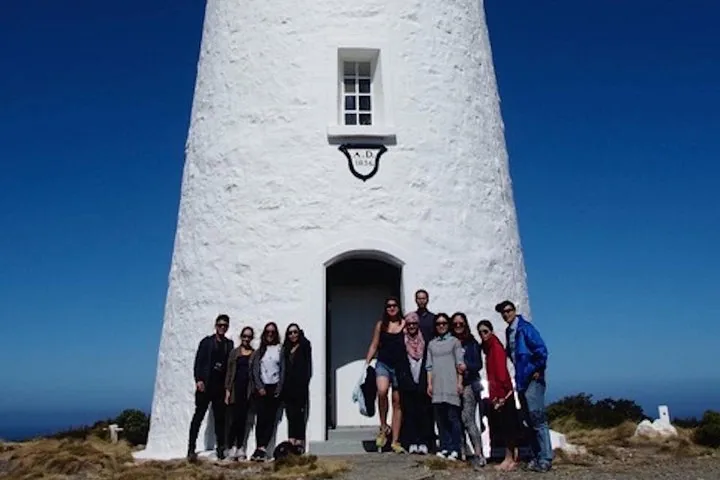
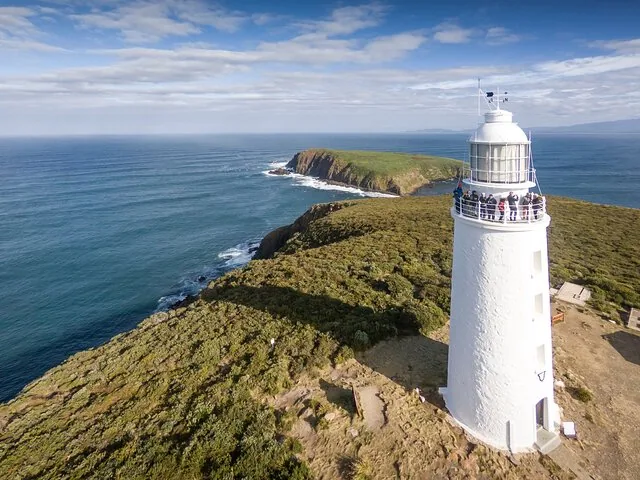
Sitting 114 metres above sea level on dramatic dolerite cliffs, the lighthouse is highly exposed to the wild Southern Ocean. Because weather conditions change rapidly, planning ahead ensures you get the most out of your visit.
What is the best time of year to visit Cape Bruny Lighthouse?
The best time to visit is during the warmer months from October to March.
During this period, the weather is most reliable for clear views over the rugged coastline. These months also bring additional afternoon tour times. Lighthouse tours are run by a private operator; check the current price when you book. The site is open year-round, except for Christmas Day.
What is the weather like at Cape Bruny Lighthouse?
The lighthouse experiences extreme winds and rapid weather changes year-round.
The tower sits high above the ocean and takes the full force of incoming weather systems. Even on sunny days, the balcony can be heavily wind-battered. Summer offers more warmth and visibility, but high winds remain a constant factor.
What should I pack for the weather?
You need windproof layers and secure headwear regardless of the season.
- Windproof jacket: Essential against extreme year-round winds.
- Warm beanie: Must be able to be secured tightly in high winds.
- Sun protection: Sunscreen and UV-protective sunglasses are necessary.
- Comfortable shoes: Needed for good grip on the spiral staircase.
Are tours affected by the weather?
Tours generally run year-round, but extreme weather can dictate the schedule.
October through March provides extra afternoon timeslots to accommodate higher visitor numbers. If you visit in the colder months, book your guided climb ahead of time. Booking a day trip can simplify logistics during uncertain weather.

Does weather affect the ferry crossing?
Rough weather can make the 20-minute vehicle ferry to Bruny Island choppy.
If you are prone to seasickness, bring motion sickness medication. Once on the island, the 1 hour and 15-minute drive south ends on an unsealed road. Ensure your rental agreement covers unsealed roads, especially when wet.
When is the best time for wildlife viewing?
Clearer days in spring and autumn are ideal for spotting migrating marine life.
Bring binoculars to spot migrating whales and native seabirds. The South Bruny Park offers various vantage points. Avoid feeding the wildlife, and stay strictly behind safety fences near cliff edges.
Questions travellers ask
Do you need a parks pass for Cape Bruny Lighthouse?
Yes. You must purchase and display a valid Tasmania National Parks Pass on your vehicle. A 24-hour pass is approximately $24 per adult or $44.75 per vehicle.
Can you go inside Cape Bruny Lighthouse?
Yes, you can go inside the 13-metre stone tower on a guided tour. Lighthouse tours are run by a private operator; check the current price when you book. Children must be at least 5 years old to enter.
Is the road to Cape Bruny Lighthouse sealed?
No. The final stretch of Lighthouse Road is unsealed. Check that your rental car agreement allows driving on unsealed roads before you depart Hobart.